
Our Neighborhood
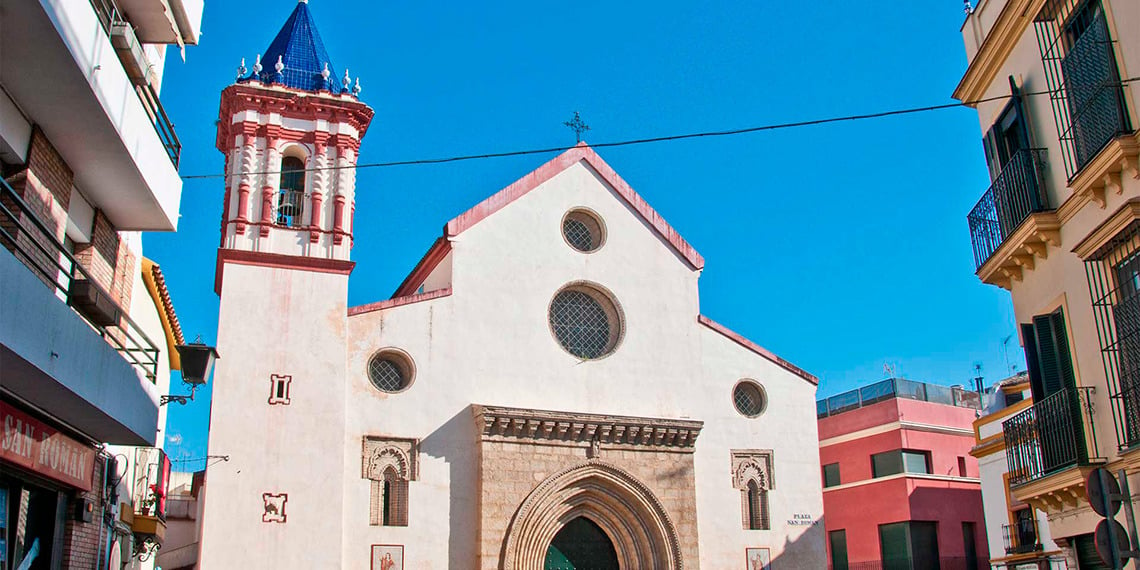
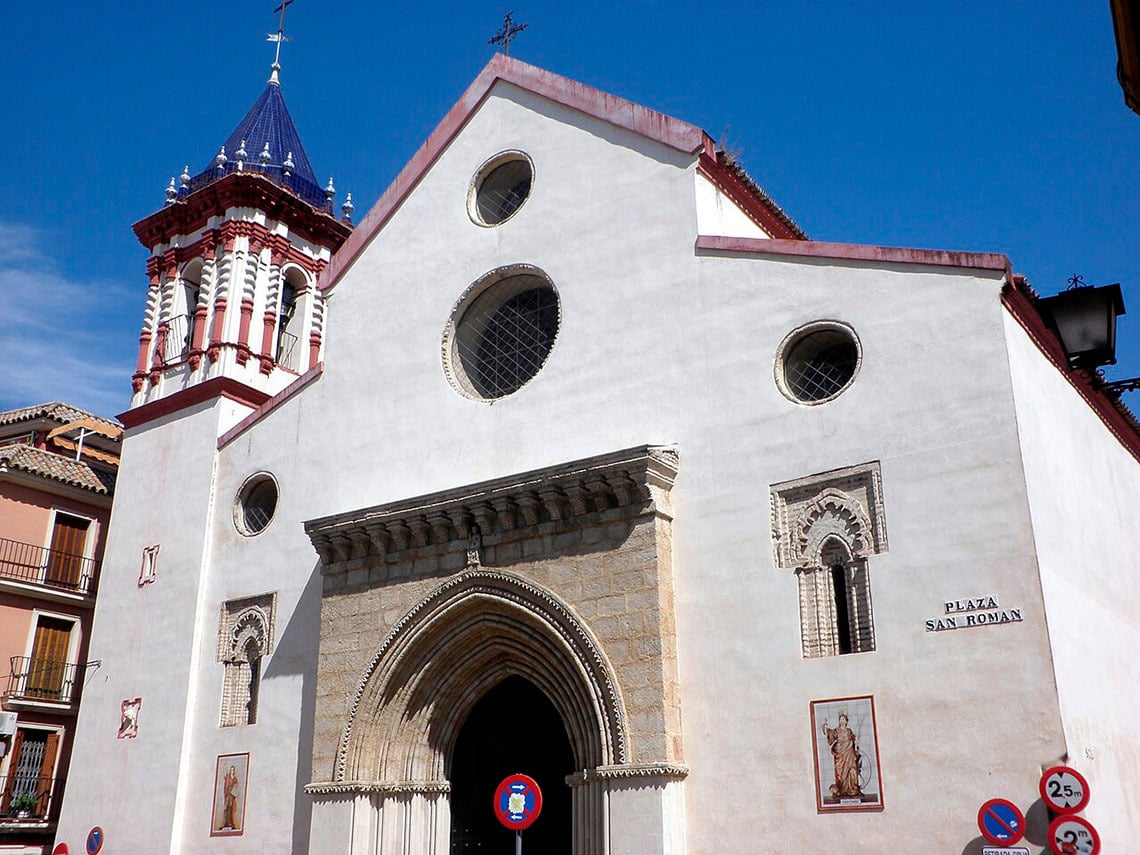
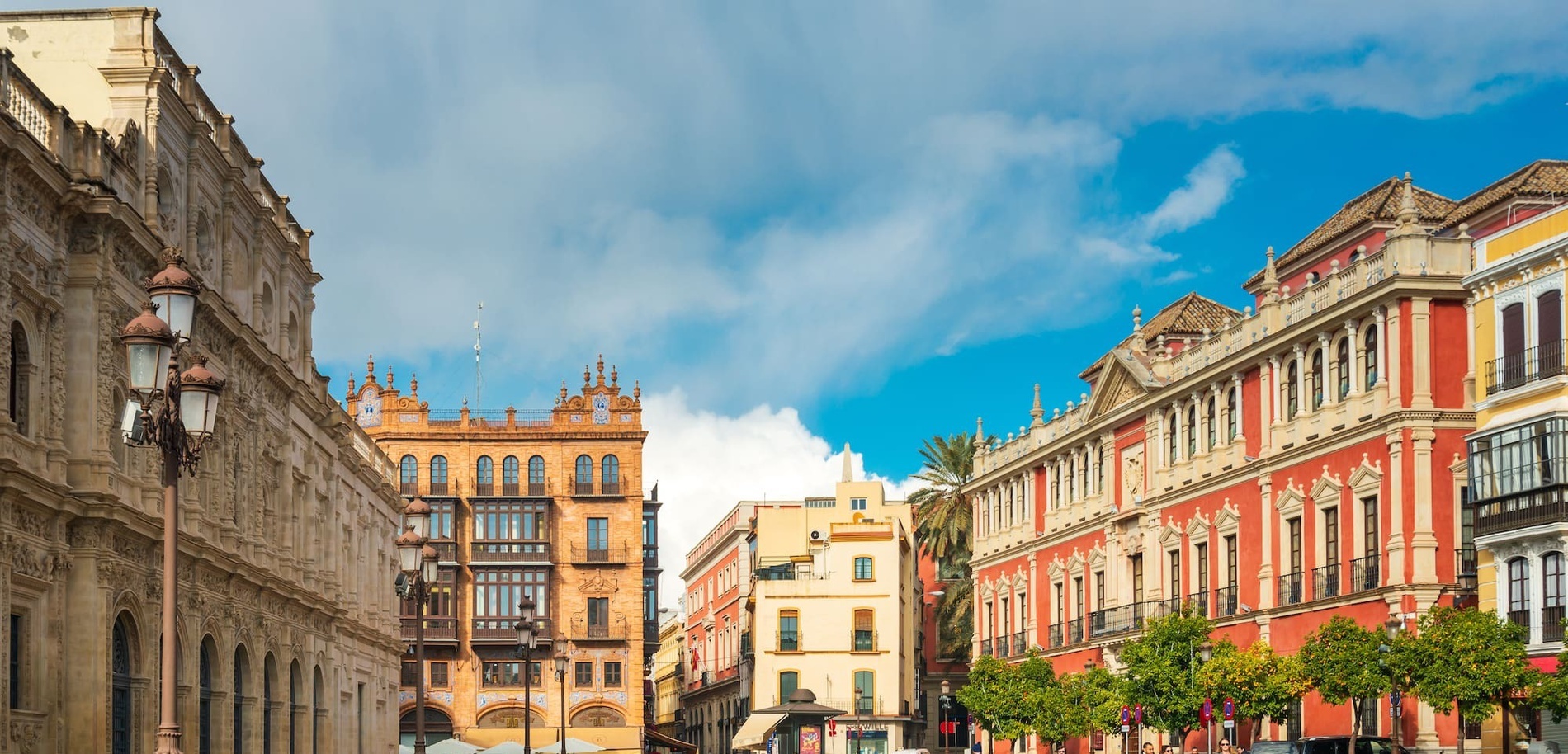
Casa del Gitano is located in the heart of Seville's Old Town, on the historic Peñuelas street, right in front of the Church of San Román, one of the city's oldest temples and a starting point for numerous brotherhoods during Holy Week. A place where tradition, local life, and heritage are breathed at every step.
Read more
Read less
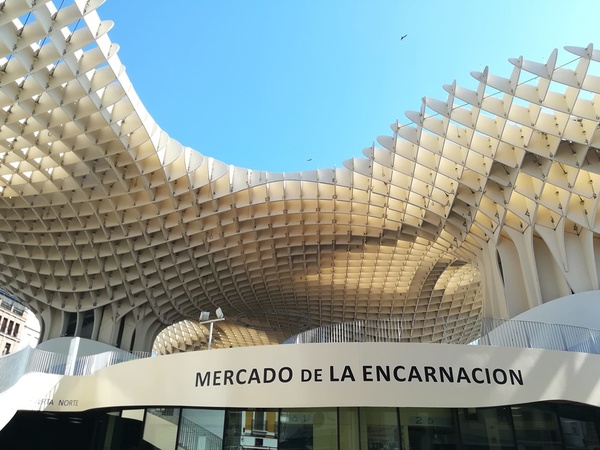
A few meters away lies the area of Santa Catalina, a unique monumental ensemble where Mudejar, Gothic, and Baroque styles coexist, with the restored Church of Santa Catalina as its emblem, declared a Property of Cultural Interest. Very close by are also the Church of San Pedro, the Plaza de los Terceros, and the Encarnación Market, the nerve center of local life.
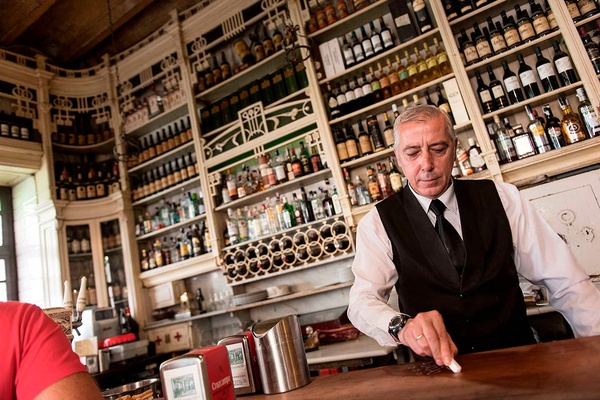
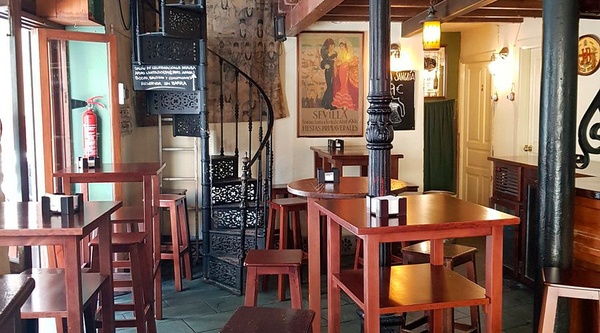
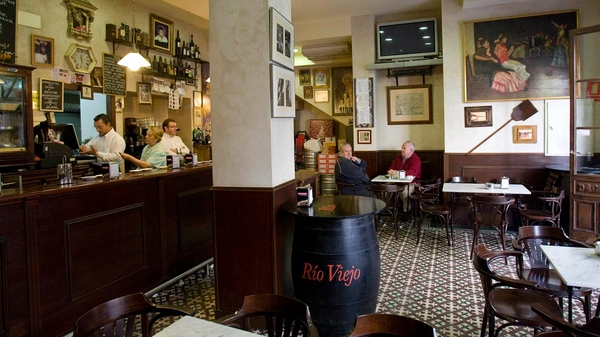
The neighborhood preserves the medieval layout of narrow alleyways, stately homes, courtyards, old tenements, and hidden squares, as well as numerous traditional bars, wineries, taverns, and local shops that keep the Sevillian essence intact. Less than a ten-minute walk away are iconic places such as Las Setas, the Plaza de la Alfalfa, Calle Feria, or the Valle gardens.
A few steps from the accommodation are two of the places with the most history and personality in Seville: the Palacio de las Dueñas and the Church of San Román.
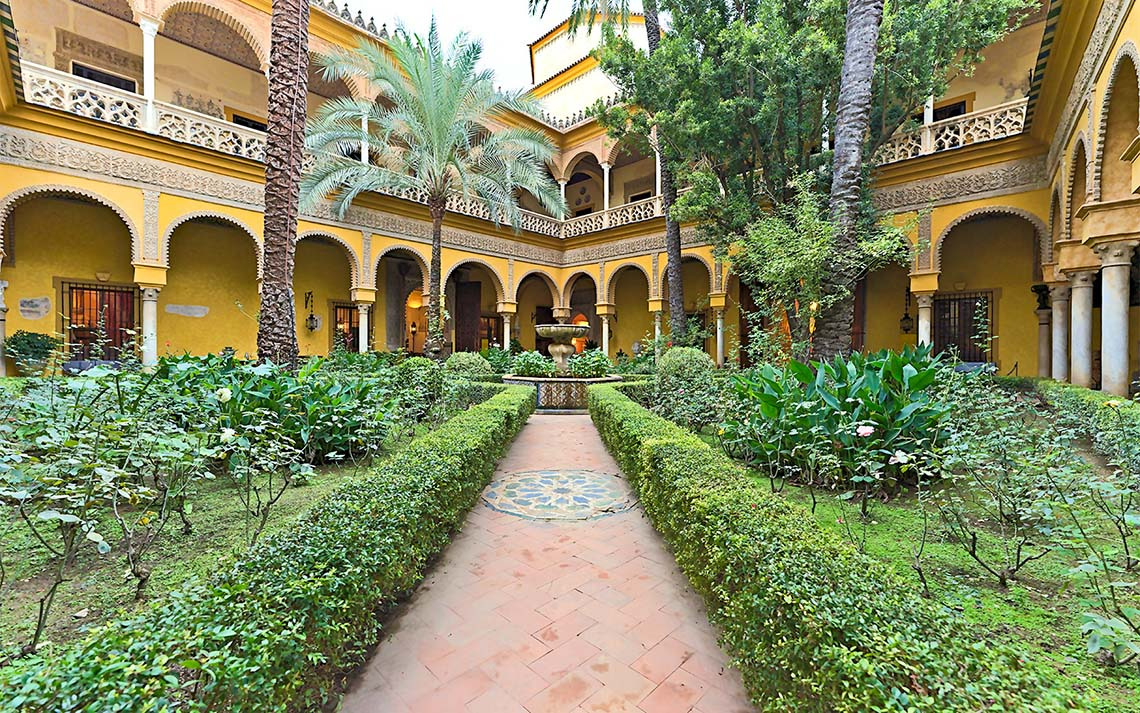
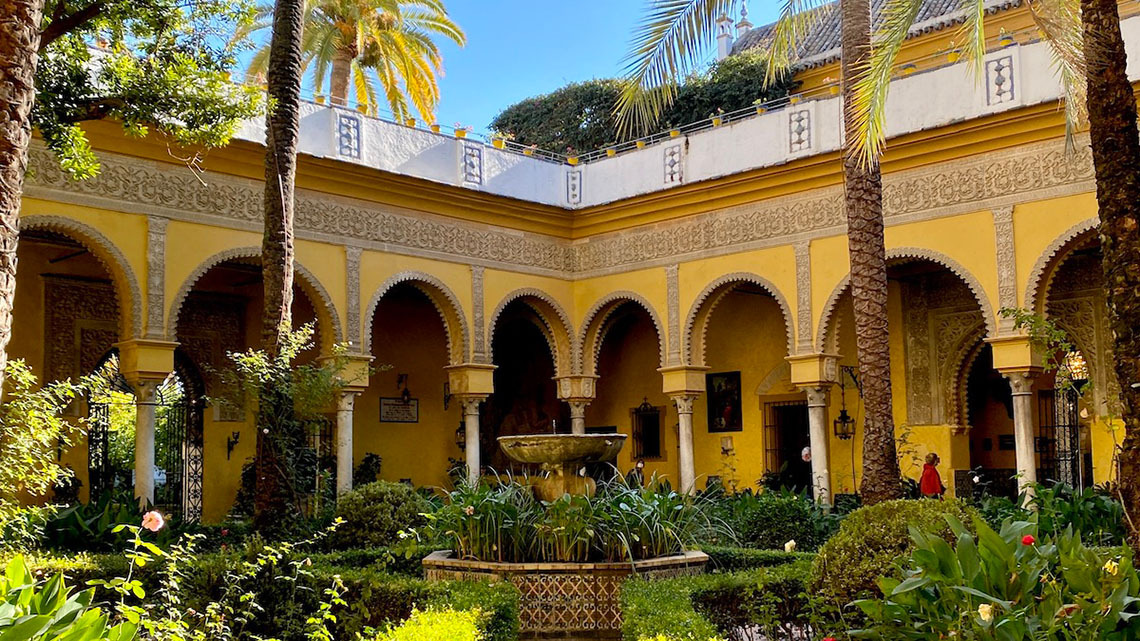
The Palacio de las Dueñas, one of the city's most emblematic historic residences, was home to the unforgettable Duchess of Alba, whose ashes rest precisely in the Church of San Román. This palace, built between the 15th and 16th centuries, combines Renaissance, Mudejar, and Gothic influences, and it is where the poet Antonio Machado was born. Its courtyards, gardens, and halls allow you to discover the most aristocratic and authentic Seville.
For its part, the Church of San Román was linked for decades to the Brotherhood of the Gitanos before its current relocation. A place deeply connected to popular tradition, Sevillian Holy Week, and the neighborhood's cultural identity.
The Palacio de las Dueñas can usually be visited every day of the year in the morning and afternoon, while the Church of San Román opens mainly during religious celebrations and specific cultural visits, especially on significant dates in Seville.
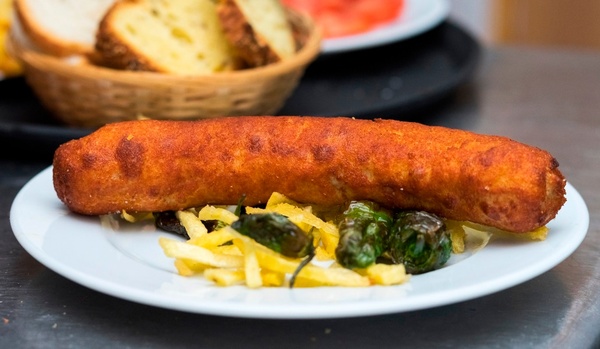
Staying at Casa del Gitano is living surrounded by history, art, and some of the city's most authentic traditions. A neighborhood to walk through calmly, to discover without a map, and to enjoy its architecture, its gastronomy, and its daily life: the most true Seville.
The neighborhood preserves the medieval layout of narrow alleyways, stately homes, courtyards, old tenements, and hidden squares, as well as numerous traditional bars, wineries, taverns, and local shops that keep the Sevillian essence intact. Less than a ten-minute walk away are iconic places such as Las Setas, the Plaza de la Alfalfa, Calle Feria, or the Valle gardens.
A few steps from the accommodation are two of the places with the most history and personality in Seville: the Palacio de las Dueñas and the Church of San Román.
The Palacio de las Dueñas, one of the city's most emblematic historic residences, was home to the unforgettable Duchess of Alba, whose ashes rest precisely in the Church of San Román. This palace, built between the 15th and 16th centuries, combines Renaissance, Mudejar, and Gothic influences, and it is where the poet Antonio Machado was born. Its courtyards, gardens, and halls allow you to discover the most aristocratic and authentic Seville.
For its part, the Church of San Román was linked for decades to the Brotherhood of the Gitanos before its current relocation. A place deeply connected to popular tradition, Sevillian Holy Week, and the neighborhood's cultural identity.
The Palacio de las Dueñas can usually be visited every day of the year in the morning and afternoon, while the Church of San Román opens mainly during religious celebrations and specific cultural visits, especially on significant dates in Seville.
Staying at Casa del Gitano is living surrounded by history, art, and some of the city's most authentic traditions. A neighborhood to walk through calmly, to discover without a map, and to enjoy its architecture, its gastronomy, and its daily life: the most true Seville.